Modern agriculture, without the complexity

Farming is already demanding, and your control layer should reduce effort, not add it. Our approach is practical: start with reliable automation and remote visibility, then expand block by block as your operation grows.

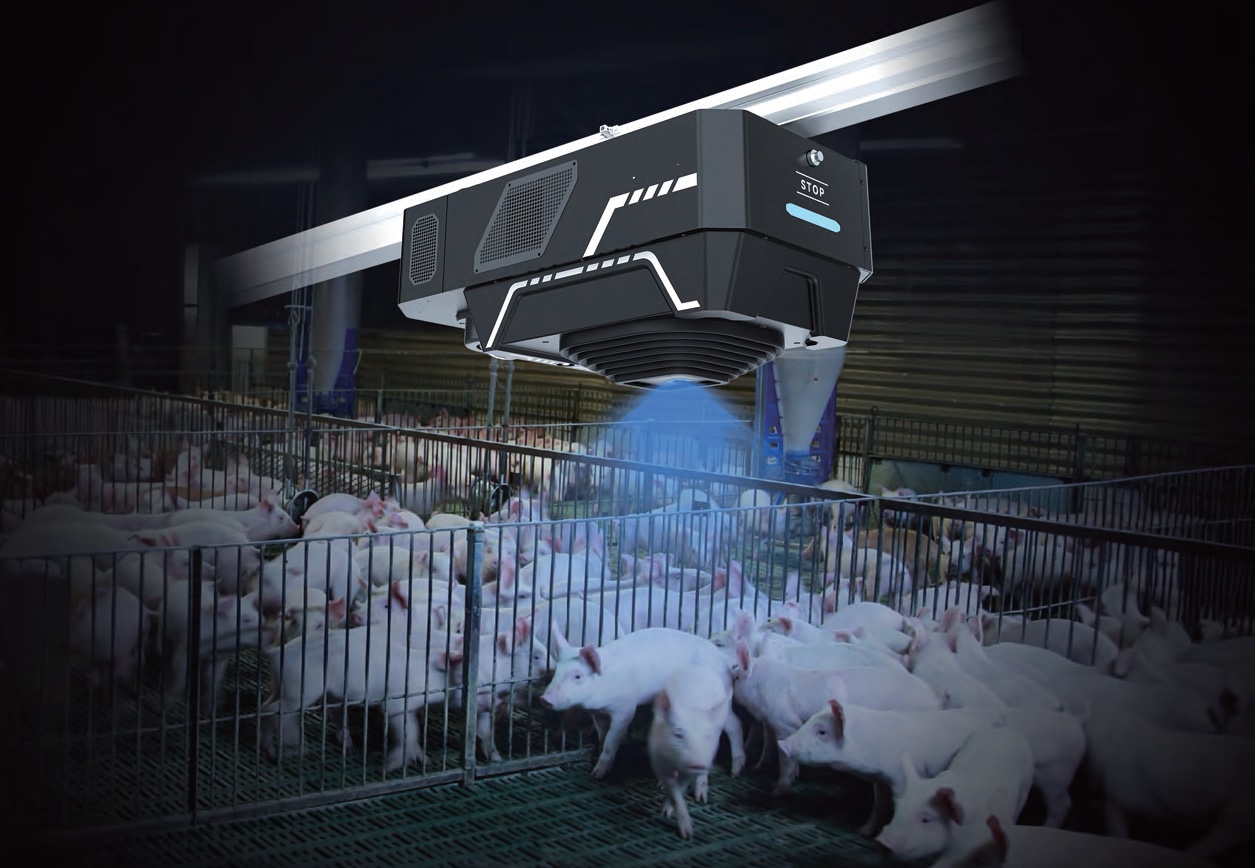
Mobile irrigation control interface

Remote control that stays dependable

Operate irrigation from a phone or computer, or run locally on a farm network when connectivity is limited. The goal is continuity, not dependency.

  • Remote control via app and web control panel
  • Local network operation for on-site autonomy
  • Role-based access for teams and contractors
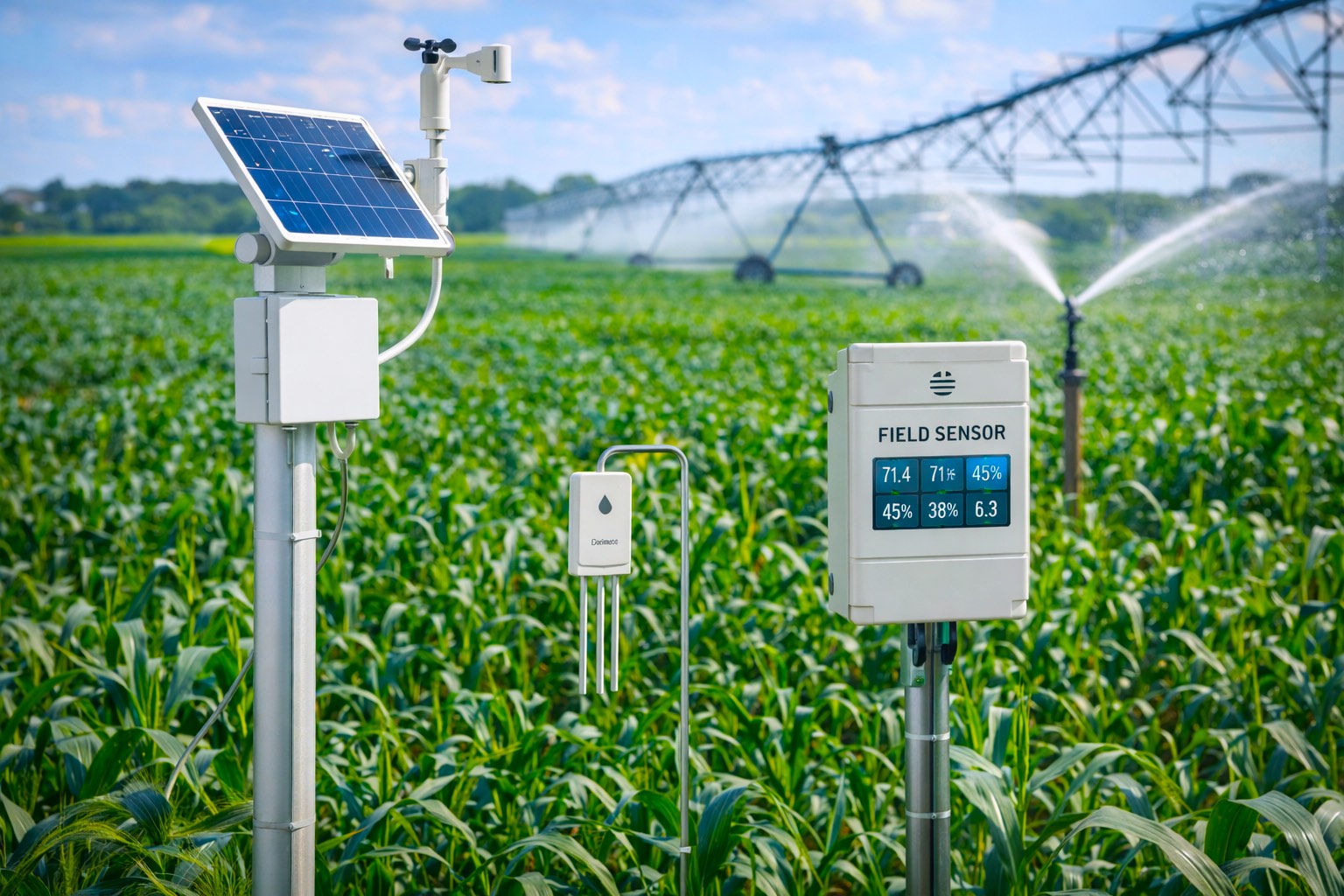
Field sensors and irrigation hardware

Automation with guardrails

A good system does more than open and close valves. It protects pipes and equipment, tracks usage, and gives clear status feedback while it runs.

  • Valve status feedback to phone/PC
  • Logs and history of watering volume and duration
  • Alerts for faults, low battery, and low water conditions
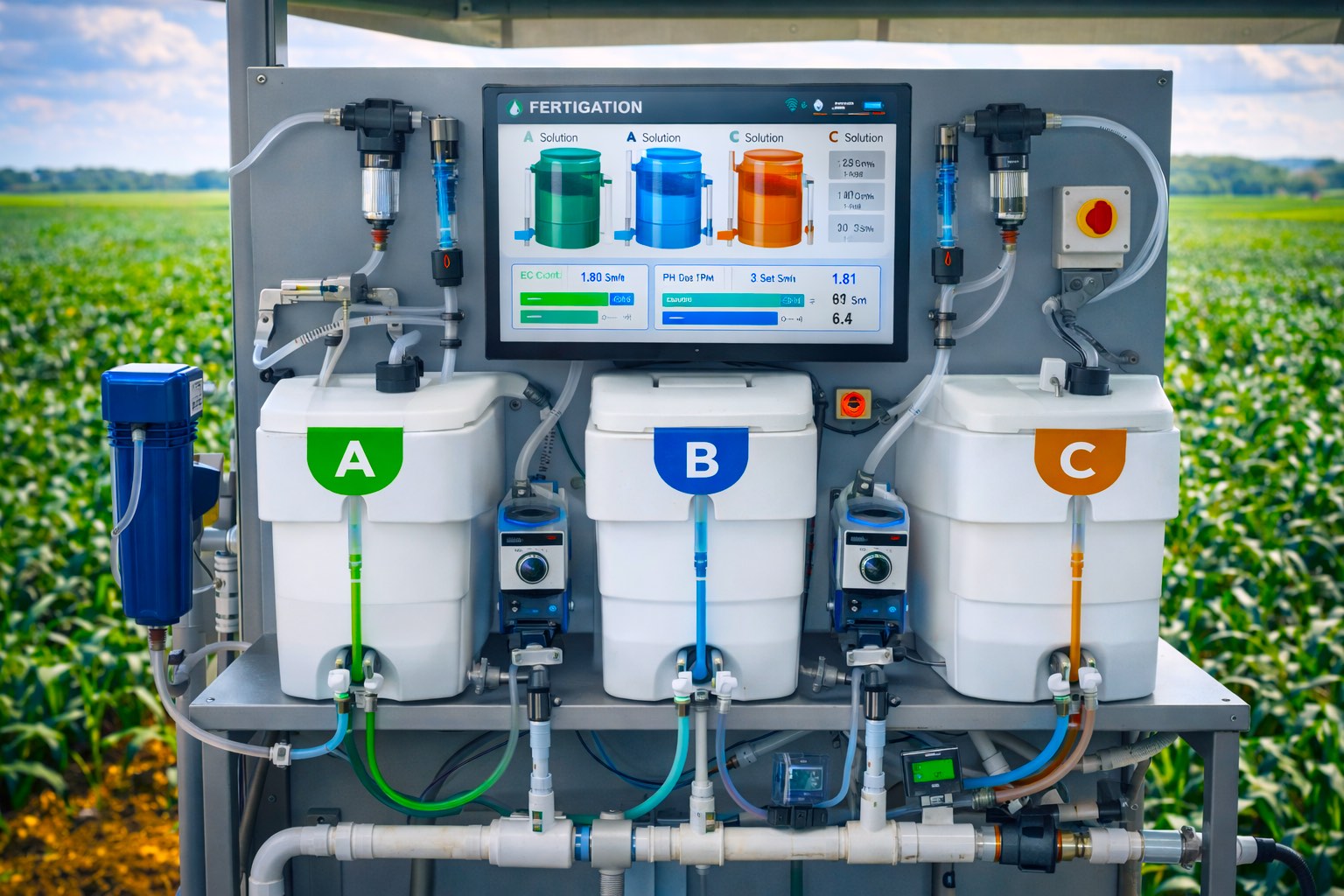
Fertigation mixing and dosing system

Precision fertigation where it matters

Deliver water and nutrients evenly across multiple plots, and adjust dosing based on crop needs. Precision dosing improves consistency and reduces waste.

  • Uniform dosing across zones using valve-control logic
  • EC/pH monitoring and adjustment support
  • Flushing functions to extend equipment life

Core capabilities for farming implementations

Designed for outdoor deployments, day-to-day use, and incremental expansion.

App and web control

Operate irrigation from anywhere, while keeping a clear on-site fallback for continuity.

Solar-powered edge control

Low-power controllers built for remote fields, with solar and battery options for long uptime.

Outdoor-grade protection

Weather-ready design with high ingress protection, suitable for real farm environments.

Task programming

Create single-run, timed, volume-based, cyclic, or scheduled tasks, and combine them with automation rules.

Team and access controls

Assign sub-accounts, permissions, and responsibilities without sharing a single master login.

Alerts and logs

Get notified on faults, low water, or abnormal conditions, and review historical use for audits and planning.

Intelligent irrigation control system

Traditional irrigation often relies on experience and manual routines. That works, until scale and variability start to make the timing and dosage unpredictable. An intelligent control layer replaces guesswork with repeatable tasks, better visibility, and measurable savings.

Farmers can control irrigation remotely through a mobile app or a PC, while also supporting localized operation through an on-site network for areas with limited connectivity. The system is designed to reduce labor load and improve water efficiency, without forcing a full infrastructure overhaul.

Remote + local operation
App/web control, plus on-site network mode.
Long runtime, low power
Optimized for distributed deployments.
Flexible task types
Duration, volume, cyclic, scheduled, and rule-driven tasks.

Water and fertilizer integration

Precision fertigation is about consistency. When water and nutrients are mixed and delivered accurately, crops receive a stable input profile, and operators gain predictable outcomes.

EC / pH control

Targeted dosing for modern cultivation

Monitoring and adjusting EC and pH helps maintain nutrient balance. Systems can support multiple fertilizer channels plus acid dosing, with mixing designed to be compact and operationally efficient.

Multi-plot consistency

Uniform results across zones

Valve-control logic helps distribute fertigation evenly across multiple blocks, supporting both small and large areas. The objective is to stop over-feeding one zone while under-feeding another.

Flushing and maintenance

Longer life through routine flushing

Built-in flushing options help reduce residue build-up in pipelines and mixing equipment, improving reliability and extending operational lifetime.

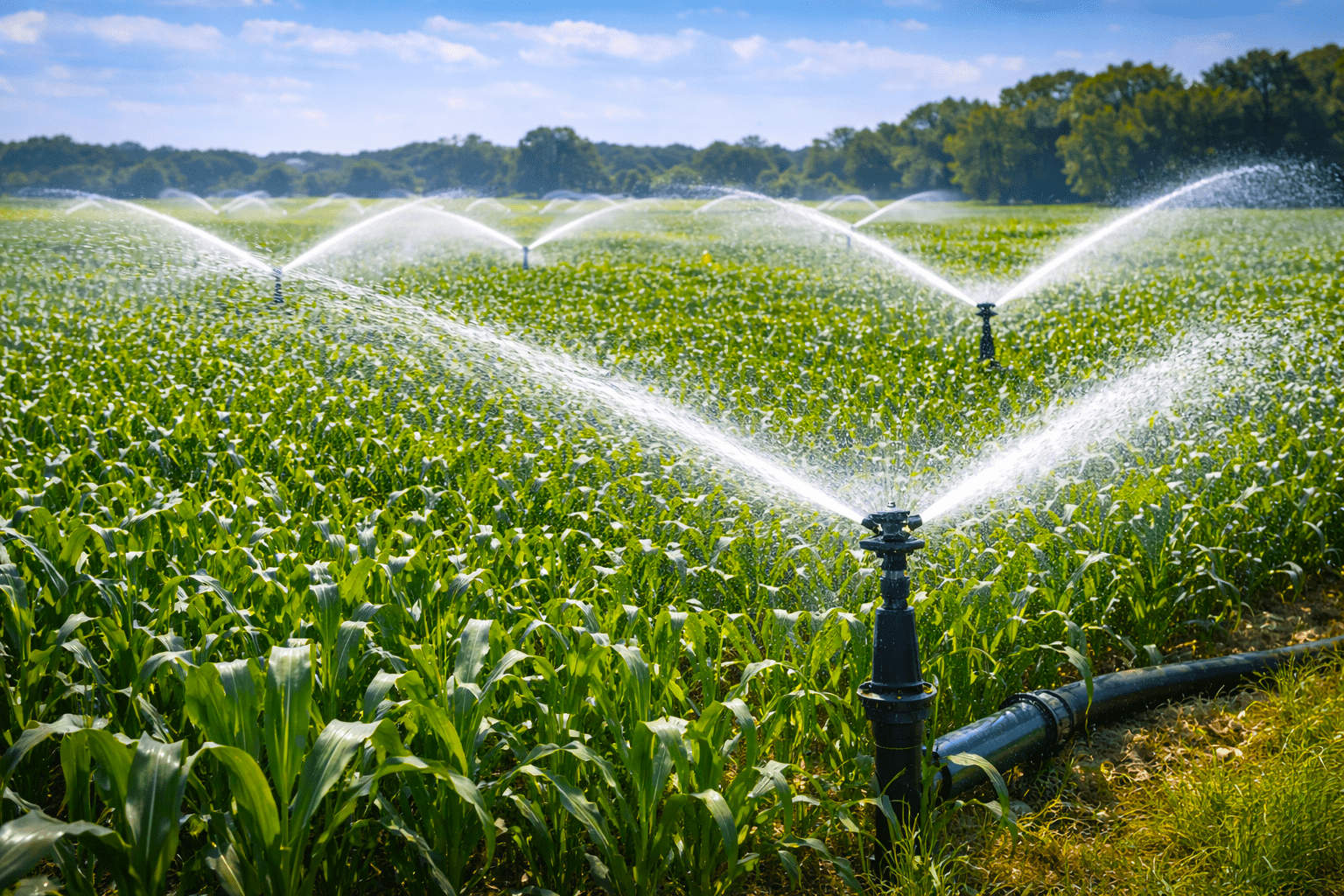
Watering system hardware in an agricultural facility

High-pressure atomization and spraying

When temperature and humidity shift quickly, greenhouses and enclosed environments can benefit from controlled atomization. A fully automated system can coordinate pump pressure and zone switching so the correct area receives the correct output, without manual valve changes.

Practical protections matter here: automatic stop on no-water conditions, configurable pressure per zone, and historical logs of valve activity to support troubleshooting and maintenance.

Configurable pressure

Set output pressure from the app, and apply different pressure targets per zone where needed.

No-water safety stop

Stops automatically when water supply is absent, helping protect pumps and lines.

History and accountability

Review valve events and task history to diagnose issues and maintain consistent operation.

Livestock routine inspection, when your operation needs it

Some farms require more than irrigation control. For livestock operations, routine inspection and environmental monitoring can help teams identify issues earlier and manage facilities with more consistency.

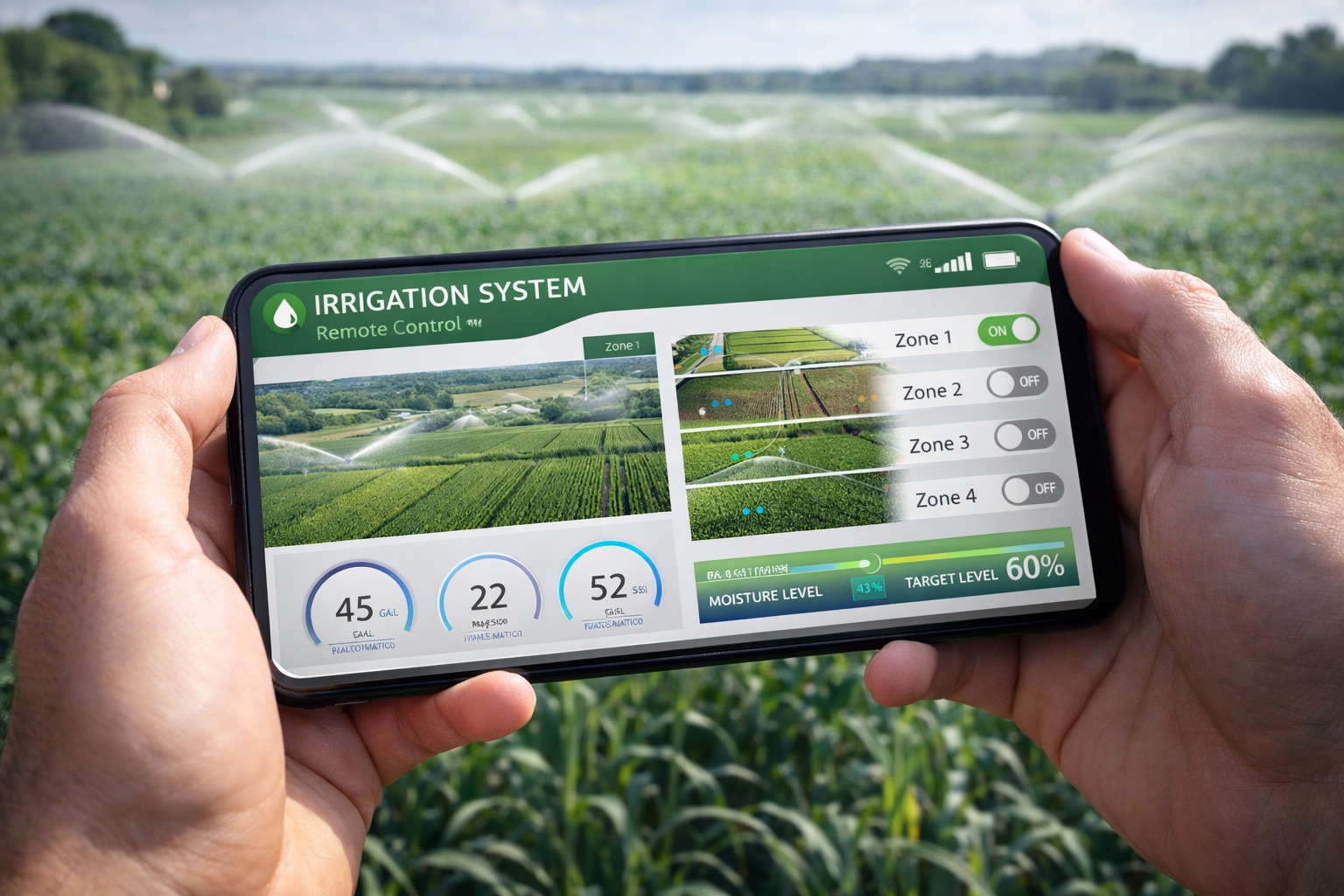
Livestock inspection robot in a barn

Autonomous routine inspection

A routine inspection robot can combine cameras and sensors to build a continuous view of barn conditions. It supports tasks such as pig counting, temperature monitoring, audio anomaly detection, weight estimation, video monitoring, and environmental monitoring.

What it monitors

  • Pig counting using wide-angle / fisheye camera coverage
  • Infrared temperature monitoring to flag fever risk
  • Audio recognition for abnormal sounds such as coughing
  • Real-time weight estimation for growth tracking
  • Environmental sensing including ammonia, humidity, temperature
  • Video monitoring to observe staff presence and barn activity

Management platform

A companion platform can show robot status, live video, and route tracking, and allows task configuration, report export, and alarm notifications. It is designed for practical operations: exceptions can be handled manually, with clear alerts for low battery or disconnection.

Ready to modernize your farming operations?

Tell us how your fields are organized and what you want to automate first. We will help you map a phased deployment, from irrigation control to precision fertigation and monitoring.

Request a consultation

Typical deployments start with one block, then scale across zones once results are proven.